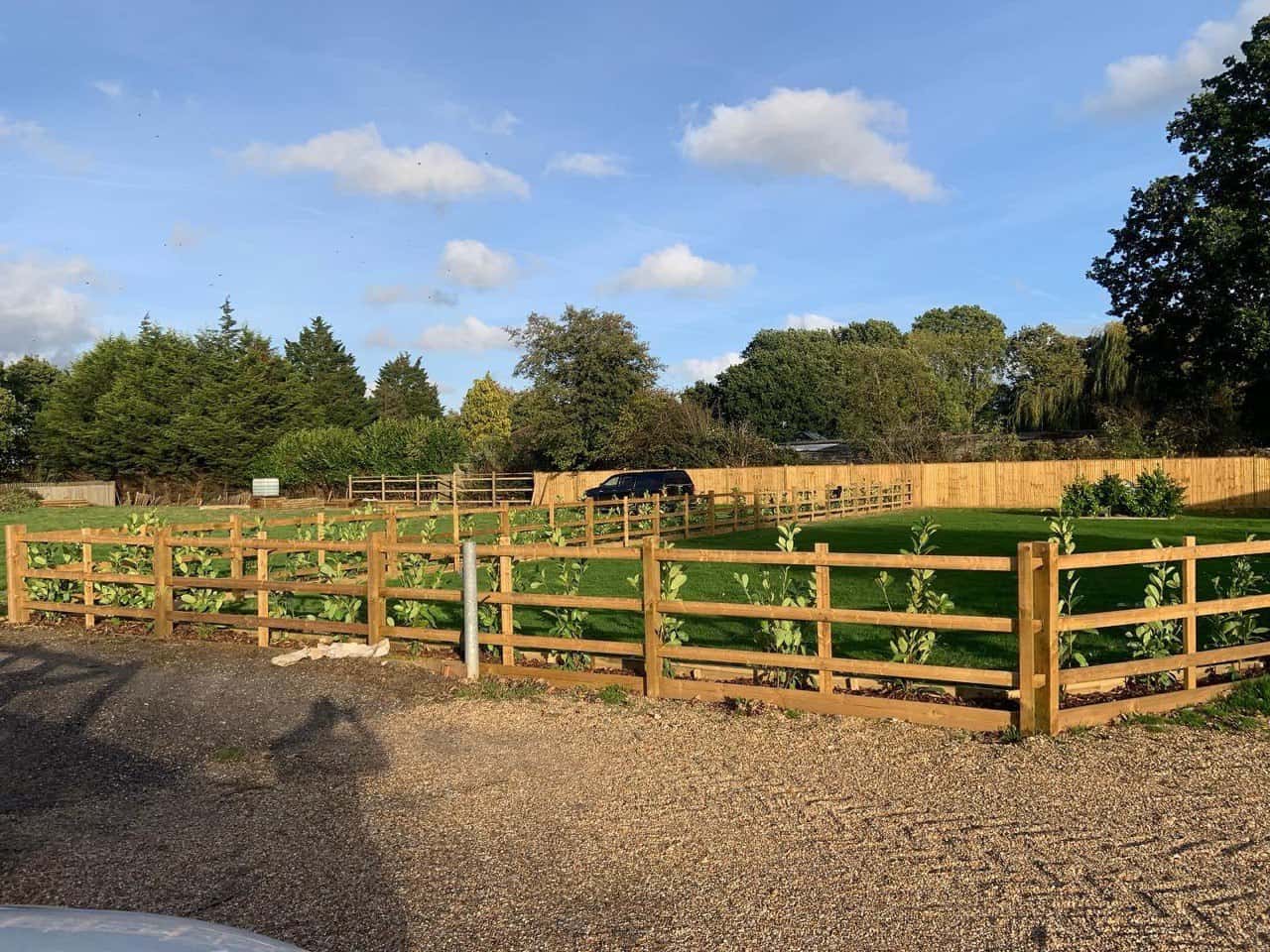
How Do I Stop My Wooden Fence from Warping?
Wooden fencing remains a popular choice for gardens and boundaries thanks to its natural appearance and versatility. However, one of the most common concerns homeowners face is warping. Twisted or bowed fence panels can affect both the look and performance of a fence if not addressed correctly. Understanding why warping occurs and how it can be prevented is key to keeping a wooden fence looking straight and secure for years.
At Fast Fix Fencing Red Lodge, we regularly help property owners manage and prevent warping through correct installation, material selection, and ongoing care.
Why Wooden Fences Warp Over Time
Warping is a natural reaction of timber to changes in moisture and temperature. Wood expands as it absorbs moisture and contracts as it dries. When this process happens unevenly across a fence panel or board, the result can be twisting, cupping, or bowing.
In Red Lodge, changing weather conditions throughout the year can accelerate this process if the fence is not properly installed or supported.
The Importance of Correct Installation
One of the most effective ways to prevent warping starts at installation. Fence panels and boards must be securely fixed and evenly supported to limit unnecessary movement. Proper spacing, solid posts, and suitable fixings all help the timber respond more evenly to environmental changes.
A professionally installed fence is far more likely to retain its shape than one fitted without consideration for how the wood will behave over time.
Allowing Timber to Breathe
Good airflow around a wooden fence is essential. When moisture becomes trapped, boards are more likely to swell unevenly. Keeping the base of the fence clear of soil and vegetation allows water to drain away and helps the timber dry naturally after rainfall.
This simple consideration plays a major role in reducing the long-term risk of warping.
Choosing the Right Fence Design
Certain fence styles are more resistant to warping than others. Designs that use multiple rails, reinforced frames, or overlapping boards tend to provide better structural balance. These features help distribute movement across the panel rather than allowing individual boards to distort freely.
Selecting the right fence type for your garden conditions can significantly improve long-term performance.
Routine Checks and Early Intervention
Even a well-installed wooden fence benefits from routine checks. Small changes such as slight movement or early twisting are much easier to correct when noticed early. Addressing these signs promptly helps prevent wider distortion and keeps the fence aligned.
Regular attention ensures the fence continues to perform as intended without the need for major corrective work.
Professional Support Makes the Difference
Preventing fence warping is not just about materials; it is about understanding how wood behaves in real conditions. Professional fencing specialists know how to install, support, and maintain wooden fences so they remain straight and secure through seasonal changes.
Fast Fix Fencing Red Lodge provide expert advice and workmanship tailored to local conditions, helping homeowners achieve a fence that looks good and performs reliably.
Conclusion
Warping in wooden fences is a common issue, but it is not inevitable. With correct installation, good airflow, appropriate design choices, and routine care, a wooden fence can remain straight and stable for many years. Taking a proactive approach is the most effective way to protect your fence and maintain the appearance of your outdoor space.
If you are experiencing problems with a wooden fence or would like expert guidance on preventing warping at your property in Red Lodge, Suffolk, Fast Fix Fencing Red Lodge are available to help. Professional advice at the right time ensures your fence remains strong, secure, and visually appealing.
Call us on: 01638 59 1475
Click here to find out more about Fast Fix Fencing Red Lodge
Click here to complete our contact form and see how we can help with your fencing needs.