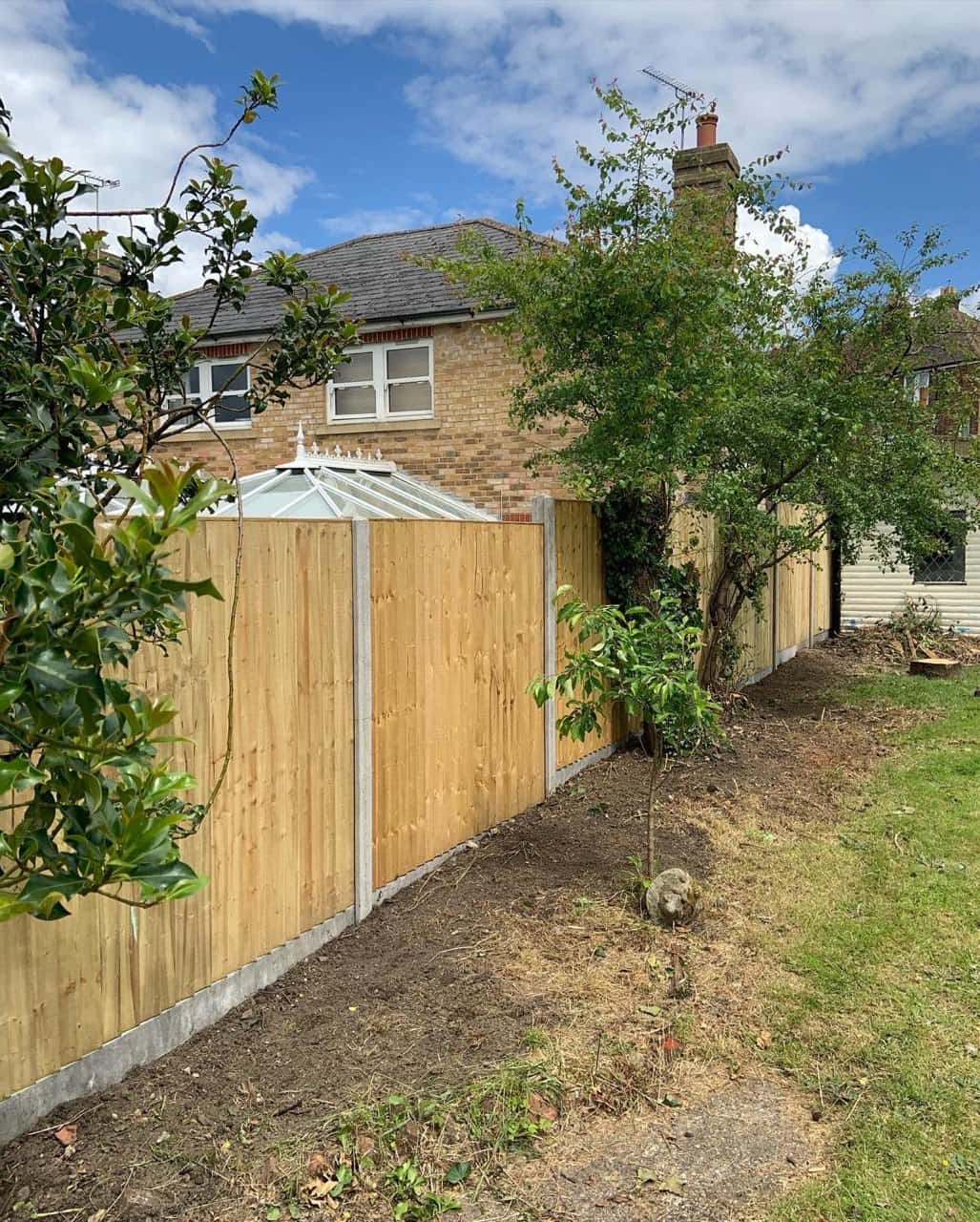
Wood Fence Panels: How to Choose Durable Panels for Your Garden
Wood fence panels are a popular choice for gardens because they provide privacy, define boundaries and complement a wide range of outdoor spaces. However, not all panels offer the same level of durability. Choosing the right timber, construction and finish can make a significant difference to how well your fence withstands changing weather conditions and everyday wear.
For homeowners in Red Lodge, Suffolk, selecting durable wood fence panels means considering more than appearance alone. A well-chosen fence should suit your garden, provide the required level of privacy and remain stable and attractive with appropriate maintenance.
What to Look for When Choosing Wood Fence Panels
The best fence panels are designed to withstand outdoor conditions while meeting your practical requirements. Understanding the main features to consider can help you choose a suitable option for your garden.
Choose Timber Suitable for Outdoor Use
Timber selection plays an important role in the lifespan of a wooden fence. Different wood species have varying levels of natural resistance to moisture, decay and insect damage.
Pressure-treated timber is a common choice because the treatment helps protect the wood against rot and fungal decay. This can be particularly useful for fencing exposed to frequent rainfall and damp ground conditions.
When choosing panels, check whether the timber has been treated for outdoor use. Untreated wood may deteriorate more quickly when regularly exposed to moisture, especially where water collects around the base of the fence.
Consider the Panel Construction
The way a fence panel is assembled affects its strength and resistance to everyday wear. Look for securely fixed boards, a sturdy frame and consistent construction throughout the panel.
Close-board panels, which use overlapping or closely fitted vertical boards, are often selected for privacy and robust boundary fencing. Waney-edge panels can provide a more traditional appearance, while slatted designs create a lighter, more open effect.
The most suitable style depends on the purpose of the fence, the appearance of your garden and the level of privacy you want. A well-constructed panel should feel solid and have no obvious loose boards or weak joints.
Select the Right Height and Design
Fence height influences privacy, wind exposure and the overall appearance of your garden. Taller panels can help screen outdoor seating areas and create a more enclosed space, while shorter fencing may be better suited to decorative boundaries.
Consider how the fence will look alongside existing landscaping, garden structures and neighbouring boundaries. Consistency in panel style and height can create a neater finish, particularly when replacing only part of an existing fence.
If your garden is exposed to strong winds, the design and installation method are also important. Solid panels can catch more wind than open designs, so suitable posts and secure installation are essential for stability.
How to Protect Wooden Fence Panels From Weather Damage
Even durable timber benefits from regular care. Rain, sunlight and repeated changes in temperature can gradually affect the wood, causing fading, surface cracks and deterioration if the fence is not properly maintained.
Apply Suitable Wood Protection
A suitable exterior wood preservative or fence treatment can help protect timber from moisture and weathering. Always follow the product instructions and check whether the panels have already received a treatment that needs to dry before another finish is applied.
Inspect the fence periodically for areas where the protective coating has worn away. Reapplying treatment when necessary can help maintain the timber’s condition and appearance.
Prevent Prolonged Contact With Moisture
The bottom of a wooden fence is particularly vulnerable when it remains in contact with wet soil, leaves or other debris. Persistent moisture can accelerate decay, even when the timber has received treatment.
Keep vegetation under control around the fence line and remove accumulated leaves where practical. Good drainage around the posts can also help reduce prolonged exposure to water.
Check Posts, Fixings and Panels Regularly
A durable fence depends on more than the panels themselves. Posts provide structural support, while fixings hold the boards and frames securely in place.
Look for leaning posts, loose panels, rusting fixings and signs of rot near ground level. Addressing minor defects early can help prevent sections from becoming unstable or requiring more extensive repairs.
Why Professional Fence Installation Matters
Choosing quality wood fence panels is only part of achieving a long-lasting result. Incorrectly positioned posts, inadequate support or poorly secured panels can lead to movement and damage over time.
Professional installation takes account of ground conditions, fence alignment, panel dimensions and exposure to wind. Securely installed posts help keep the fence upright, while suitable fixings and careful alignment contribute to a neat, consistent finish.
Fast Fix Fencing Red Lodge can help homeowners choose suitable fencing and arrange installation based on their garden’s layout and requirements. Whether you are replacing damaged panels or installing a new boundary, professional guidance can help you select a practical and durable solution.
When Should You Replace Wooden Fence Panels?
Some fencing problems can be resolved by replacing individual boards or securing loose fixings. However, panels with extensive rot, broken frames or widespread structural damage may need to be replaced.
If several panels are leaning or the supporting posts have deteriorated, it is worth assessing the condition of the entire affected section. Replacing damaged components together can help restore stability and provide a more consistent appearance.
Regular inspections make it easier to identify these issues before a fence becomes significantly weakened.
Choosing Wood Fence Panels in Red Lodge, Suffolk
The right wood fence panels should balance durability, privacy, appearance and maintenance requirements. Pressure-treated timber, solid construction and secure installation all contribute to a fence that can withstand everyday outdoor conditions.
For homeowners in Red Lodge, Suffolk, taking time to assess the garden’s layout and exposure can help ensure the chosen fencing is suitable for the space. Fast Fix Fencing Red Lodge can assist with selecting and installing wood fence panels that meet your property’s needs.
Conclusion
Durable wooden fence panels start with suitable timber, reliable construction and the right design for your garden. Regular maintenance, good drainage and prompt attention to damaged posts or fixings can also help extend the fence’s useful life.
If you are planning a new garden fence or need to replace worn panels in Red Lodge, Suffolk, contact Fast Fix Fencing Red Lodge to discuss your requirements and arrange professional fencing assistance.
Call us on: 01638 59 1475
Click here to find out more about Fast Fix Fencing Red Lodge
Click here to complete our contact form and see how we can help with your fencing needs.