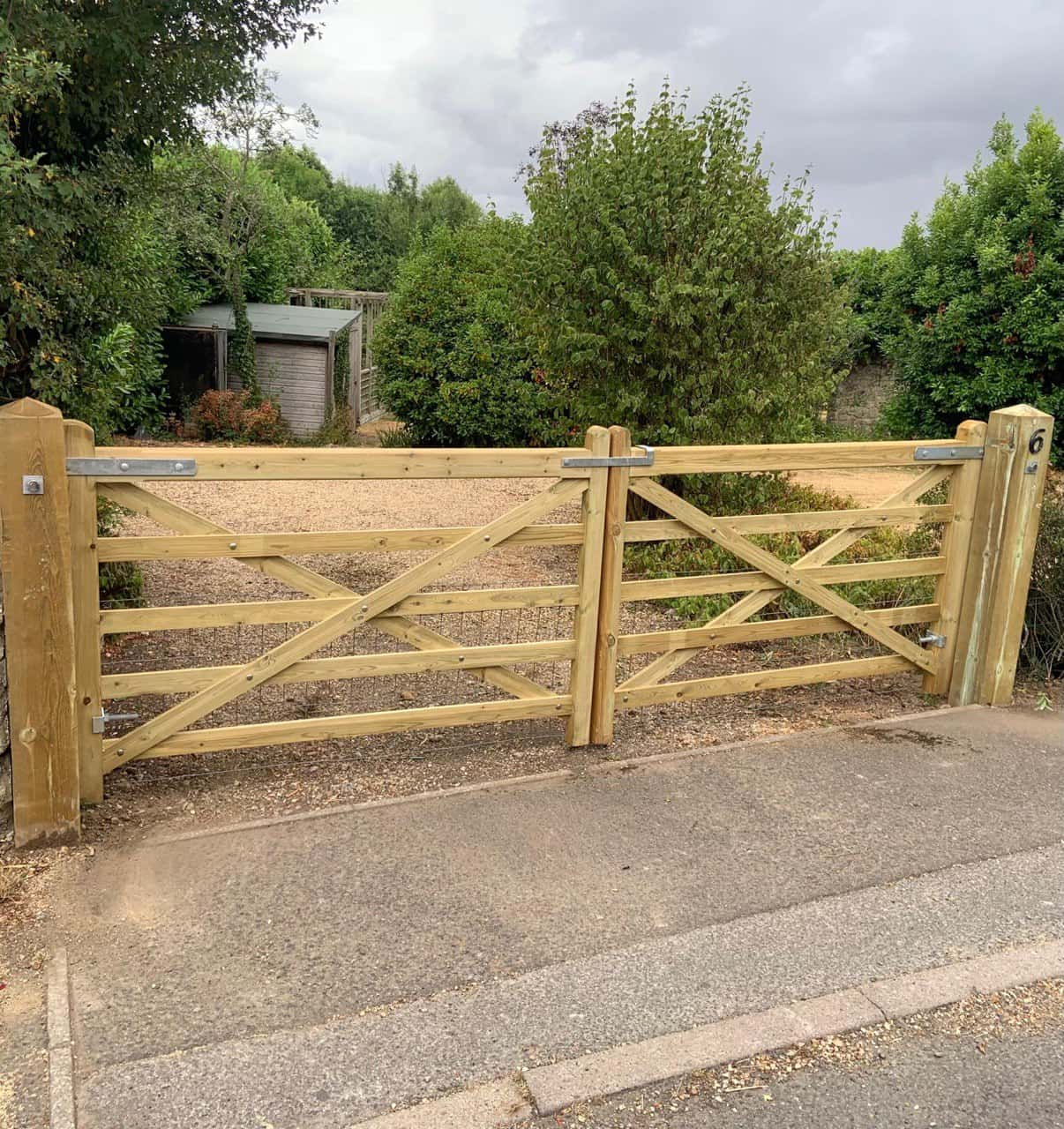
How to Choose Wooden Fence Panels That Suit Your Garden Layout
Choosing wooden fence panels involves more than selecting a style that looks attractive. The right panels should complement the shape of your garden, provide the level of privacy you need and work effectively with the existing boundaries and outdoor features. A suitable fence can also help define different areas of the garden while creating a neat, consistent appearance.
For homeowners in Red Lodge, Suffolk, considering a new fence or replacing older panels, it is worth assessing the garden layout before making a decision. Understanding the available panel styles, dimensions and installation requirements can help ensure the finished fencing is both practical and visually appealing.
Assess the Shape and Size of Your Garden
Start by looking at the overall layout of your garden. Consider whether the boundaries are straight, uneven, sloping or divided into several sections. The shape of the space will influence which fence panels are most suitable and how they should be installed.
For a garden with long, straight boundaries, standard rectangular panels can create a clean and consistent finish. Where the boundary includes corners, changes in direction or irregular sections, careful measurements are important to ensure the panels fit neatly.
It is also worth identifying any existing structures, such as sheds, walls, gates and raised planting areas. These features may affect panel positioning and the space available for fence posts.
Choose a Panel Style That Matches Your Needs
Wooden fence panels are available in several designs, each offering different practical and visual benefits.
- Closeboard panels: Made with overlapping vertical boards, these provide a solid boundary and good privacy. They are often suitable for gardens where screening from neighbouring properties is a priority.
- Overlap panels: Constructed using horizontal boards that overlap, these offer a traditional appearance and can suit a range of garden styles.
- Slatted panels: Featuring gaps between the timber sections, these allow some light and air to pass through while providing a more open, contemporary finish.
- Decorative panels: Designs with lattice details or shaped tops can add visual interest, particularly in gardens where fencing is intended to complement landscaping.
The best option depends on how the garden is used. A family garden may benefit from a more enclosed boundary, while a smaller landscaped space might suit a lighter design that does not make the area feel too restricted.
Consider Privacy, Light and Airflow
Privacy is an important consideration, but completely solid fencing is not always the most suitable choice for every garden. Taller, closeboard panels can help screen seating areas and outdoor spaces, while more open designs allow sunlight and airflow to pass through.
Think about where you spend most of your time outdoors. A private seating area may benefit from solid panels, whereas fencing beside a flower border or lawn may be better with a design that allows more natural light.
The position of the garden should also be considered. Areas that receive limited sunlight may feel darker with solid fencing, so choosing a panel style with some gaps could help maintain a more open atmosphere.
Account for Sloping or Uneven Ground
Not every garden boundary follows a level line. Sloping ground can make fence installation more complicated because standard panels are designed to sit evenly between posts.
Depending on the gradient, panels may need to be stepped along the boundary or fitted to follow the slope. Stepped fencing creates a series of level sections, while raked installation follows the changing ground level more closely where the panel design allows it.
The right approach depends on the steepness of the slope, the panel construction and the desired appearance. Accurate measurements and suitable post positioning help prevent uneven gaps beneath the fence and maintain a secure finish.
Select Timber That Suits Outdoor Conditions
Wooden fencing is continuously exposed to rain, sunlight and changes in temperature. Choosing appropriately treated timber can help protect panels against moisture and reduce the risk of premature deterioration.
Look for panels made from timber intended for external use, with suitable treatment and a sound construction. Check that the boards are securely fixed and that the frame is sufficiently robust for the intended position.
Regular maintenance also plays a role in keeping wooden fencing in good condition. Periodic inspections can help identify loose boards, damaged sections and areas where the protective finish may need attention.
Plan the Position of Posts, Gates and Corners
Fence panels need to work with the entire boundary layout, not just the straight sections. Posts provide structural support, while corners and changes in direction require careful positioning to keep the fence aligned.
If the garden includes an entrance, consider where a gate would be most convenient. Its position should allow comfortable access without interfering with paths, planting beds or other outdoor features.
A well-planned installation helps avoid awkward gaps and makes the finished fence look consistent across the garden. Professional fitting can also help ensure that panels, posts and gates are properly aligned and securely installed.
Why Professional Fence Installation Makes a Difference
Even carefully selected panels may not deliver the desired result if they are poorly fitted. Uneven posts, unsuitable spacing and inadequate ground preparation can affect the appearance, stability and lifespan of a wooden fence.
Fast Fix Fencing Red Lodge can help homeowners in Red Lodge, Suffolk, choose fencing that suits their garden layout and practical requirements. From assessing boundary measurements to fitting panels around corners and uneven ground, professional installation helps create a neat and dependable finish.
An assessment of the garden can also identify potential installation challenges before work begins, helping ensure the chosen design is appropriate for the space.
Conclusion
Choosing wooden fence panels that suit your garden layout involves balancing appearance, privacy, light, ground conditions and practical use. By considering the shape of the boundary and the features of the outdoor space, you can select a design that complements the garden while providing a reliable enclosure.
For homeowners in Red Lodge, Suffolk, Fast Fix Fencing Red Lodge can assist with selecting and installing suitable wooden fence panels. Contact the team to discuss your garden layout and arrange a fencing assessment.
Call us on: 01638 59 1475
Click here to find out more about Fast Fix Fencing Red Lodge
Click here to complete our contact form and see how we can help with your fencing needs.